Sustainability at ESID 2026
We believe we all have a part to play in preserving our future for generations to come, locally and globally. At ESID 2026, everyone has a role in maintaining a healthy and sustainable ecosystem. Even small actions matter! Therefore, we have taken steps to make the Meeting more environmentally friendly and aligned with the Sustainable Development Goals – 17 goals with 169 targets that all UN Member States have agreed to work toward achieving by 2030. They set a plan for a world without poverty, hunger, and disease.
Contributions You Can Make as an ESID 2026 Delegate
As individuals and as a part of a community, we can and should contribute to protecting the Earth and its natural systems and resources and sustaining the natural ecological balance of the ecosystem.
Here is what we encourage you to do during the ESID 2026 Meeting:

Use the mobile app and the virtual platform (instead of printing) to inquire about the programme details.
Use more sustainable ways of traveling to and around France.
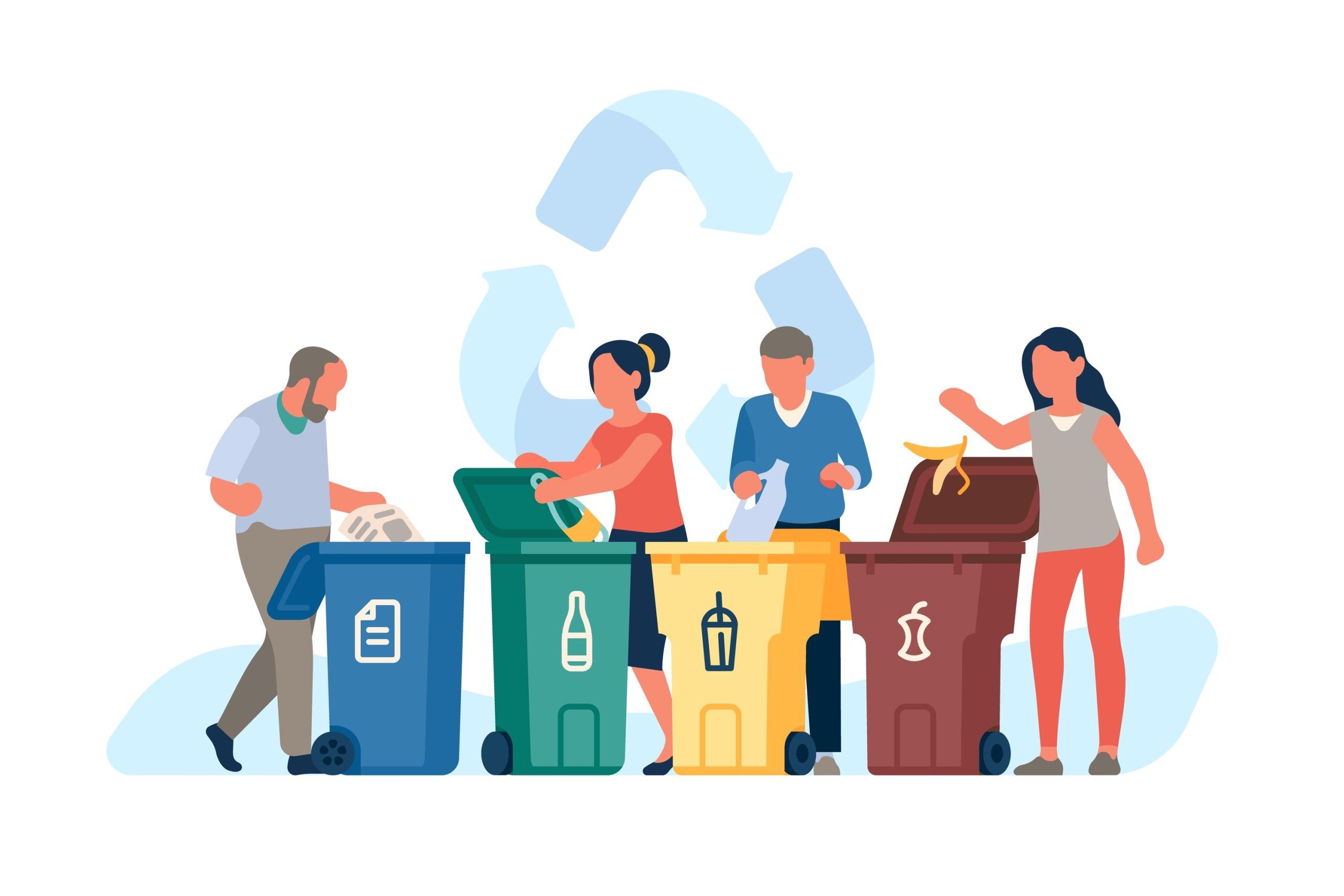
Sort your waste in appropriate bins at venues, hotels, and around the city.

Keep waste items with you if there are no visible garbage or recycling bins at the event or during your tourism outings.

Choose reusable mugs and bottles and refuse single-use plastic.

Do not print booking confirmations and boarding passes. Instead, provide digital copies of these documents.

Provide an alternative to business cards – QR codes to LinkedIn or e-card.

Choose a vegetarian meal option when available and possible.
Recycle your badges/lanyards after the end of the Meeting.
Our Contribution to ESID 2026's Sustainability
We at ESID 2026 would like to contribute to achieving these objectives in our value chain. We support and work toward the following SDGs:
End Hunger, Achieve Food Security and Improved Nutrition, and Promote Sustainable Agriculture
A sustainable future starts with ourselves. MECC Maastricht and it’s official catering partner Vermaat are committed to responsibly managing our environment.
For each event, Vermaat’s chef makes conscious choices to minimize waste. Additionally, we prioritize the use of local and seasonal products as much as possible.
- MECC aims to fully electrify the generation of heat in their building using heat pumps and e-boilers. All the hot tap water is generated by e-boilers.
- Close collaboration with partner L’Ortye to ensure waste is properly separated.
- MECC is a local collection point for the Plastic Soup Foundation.
- Commitment to reducing CO2 46% by 2030 as compared with 2019 figures. We are on our way to becoming a net-zero business in 2050 (SBTi).
- Vermaat’s catering range is in line with Green Key guidelines and is continuously optimised.
- Vermaat has been committed for years to making the world of food and drink healthier, more sustainable, and more socially responsible. Learn more about their ambitious goals in their Food Vision 2027.
- We use the fewest possible single-use plastics.
- MECC’s in-house Bar Bistro SAAM values not only serving delicious dishes but also making a positive impact on our surroundings. Read more about their contribution here.
Ensure Healthy Lives and Promote Well-Being for All at All Ages
We firmly believe that well-being is not just a desirable outcome, but an essential core value that underpins all aspects of the Meeting.
As professionals in the field of immunodeficiencies, we have a moral responsibility to prioritise the well-being of our patients, colleagues, and society.
By placing well-being at the forefront, we demonstrate our commitment to ethical principles that guide our work and promote the highest standard of care. Therefore, we will:
- Offer healthy and nutritious food (including fruits, vegetables, whole grains, lean proteins, etc.) prepared with fresh and local ingredients, which will be served during coffee breaks.
- Use reusable dishware, and compostable materials, and avoid single-use plastics.
Make cities and human settlements inclusive, safe, resilient, and sustainable
A Model for Inclusive and Resilient Urban Living
Maastricht is a city designed with the human experience at its center. By prioritizing a healthy, social, and sustainable environment, the city demonstrates how compact urban planning can directly improve the well-being of its residents and visitors alike.
- The foundation of Maastricht’s sustainability is its compact design. By ensuring that essential services, workplaces, and meeting points are within a 15-minute walk or cycle from any point in the city, we significantly reduce the reliance on motorized transport. This translates to minimal traffic congestion, reduced CO2 emissions, and a quieter, cleaner urban atmosphere for all delegates.
- Maastricht integrates nature into the urban fabric. Parks, public squares, and the revitalized walking routes along the River Meuse provide vital “green lungs” for the city. These spaces support biodiversity, provide natural cooling, and offer inclusive areas for relaxation, social interaction, and physical activity during the Meeting.
- By prioritizing local boutiques, markets, and specialized shops, Maastricht fosters an economy that is less dependent on polluting, large-scale distribution networks. Supporting local entrepreneurs ensures that the economic value generated by the Meeting directly benefits the local community and promotes more sustainable consumption patterns.
- The city’s architecture and layout are designed to encourage connection. Close-knit neighborhoods and accessible public spaces make it easier for residents and visitors to engage with one another.
- With an extensive network of cycling paths and pedestrian-friendly zones, Maastricht encourages active transit as the primary way to navigate the city.
Ensure Sustainable Consumption and Production Patterns
- We encourage all our exhibitors to join us in this initiative and reduce single-use giveaways at their stands.
- All course materials will be available in digital format. Course attendance certificates will be sent electronically.
- Selective waste collection (for paper, combustible waste, glass, and tins), as well as containers for exhibition-related waste, will be placed throughout the venue to maximise recycling.
Other Essential Information
Mobility
Maastricht is easily accessible! From Maastricht Station, you can walk straight to the city centre, while cyclists can park their bikes for free in the city centre. By car? Choose an inexpensive P&R location and discover the city without any hassle beforehand. Maastricht is within easy reach!
Maastricht by bike
Getting to Maastricht by bike is easy, healthy and good for the environment. Cycling in the city is easy, with plenty of free parking options, both with and without supervision. Leave the car at home and contribute to clean air and better accessibility to the city. Everything you need to know about cycling to and in Maastricht can be found here. https://www.visitmaastricht.com/en/plan-your-stay/accessibility-and-transport/bicycle
Public transport
Maastricht is easily accessible by public transport. Whether you are travelling to and from the city or want to get around within Maastricht, there are several options available that are comfortable and efficient. With an extensive network of trains and buses, both local and international, Maastricht offers a sustainable way to reach your destination.
Learn more about Maastricht’s public transportation
Trains
Maastricht is easy to reach by train, both from the Netherlands and from neighbouring countries. There are direct connections from cities such as Amsterdam, Eindhoven and Roermond, while international travellers from Belgium and Germany can also easily reach the city via Liège or Aachen, for example.
Catering
MECC’s in-house bar bistro SAAM has a very comprehensive social responsibility program, and is actively committed to sustainability.
- SAAM sources ingredients and products locally whenever possible, from regional suppliers such as Bakkerij Paulissen, Het Vitamientje, and Slagerij Kusters.
- They donate leftover food as much as possible, usually weekly, to the Ronald McDonald House Maastricht to reduce food waste and help others.
- They offer various vegetarian options on our menus, accounting for 30% of our dishes.
- They order pies, waffles, and other sweets from a supplier that places a high value on sustainability and responsible production.
- They separate waste carefully.
Venue
The MECC Maastricht story is about a team of people. People are the backbone of their sustainability process. A team that acts based on their firm conviction to give more than people expect without losing sight of their environment.
MECC Maastricht generate and support an economic and sustainable spinoff effect for the city and region. Each year, the conferences, trade shows and events held at our venue are attended by thousands of national and international visitors. The economic impact creates jobs, makes a contribution to the business climate, and adds value for various sectors.
Green Key Gold certification since 2010 . * Green Key: The international quality mark for sustainable companies in the hospitality sector https://www.greenkey.nl/
The key to a more sustainable world:
Green Key is the largest sustainability certification for the hospitality sector in the Netherlands, with over 800 certified companies. Green Key aims to promote sustainability in the tourism and recreation sector and reduce its environmental impact.
The MECC Maastricht is built according to BREEAM certification https://www.breeam.nl/english-9